

Easter opening hours
Learn English at Home will be closed for Easter from 5pm on Thursday 28 March until 9am on 2 April.
During this time, our support services (email and phone) will be unavailable, and no English classes will take place.
If you are at risk of being made homeless please visit Shelter for advice: Homelessness advice - Shelter England
If you would like to find things to do or need help during this time you can visit the following websites:
Hounslow: Home | Hounslow Connect
Richmond: Home - London Borough of Richmond upon Thames
Kingston: Connected Kingston
If there is an emergency where someone is in immediate danger please ring 999


Coordinator vacancy
Join our team as a Coordinator at Learn English at Home (LEAH)! Are you a dynamic, motivated individual committed to equity through learning?
-
Full-time/Permanent
-
Based in Kingston, with remote work
-
Up to £32,000 salary (depending on experience)
-
Support diverse communities, especially women, migrants, and refugees
-
Lead on coordination of online classes and support volunteers and learners face to face and remotely
-
Deadline: January 10, 2024
Apply now! Visit our vacancies page to find out more.
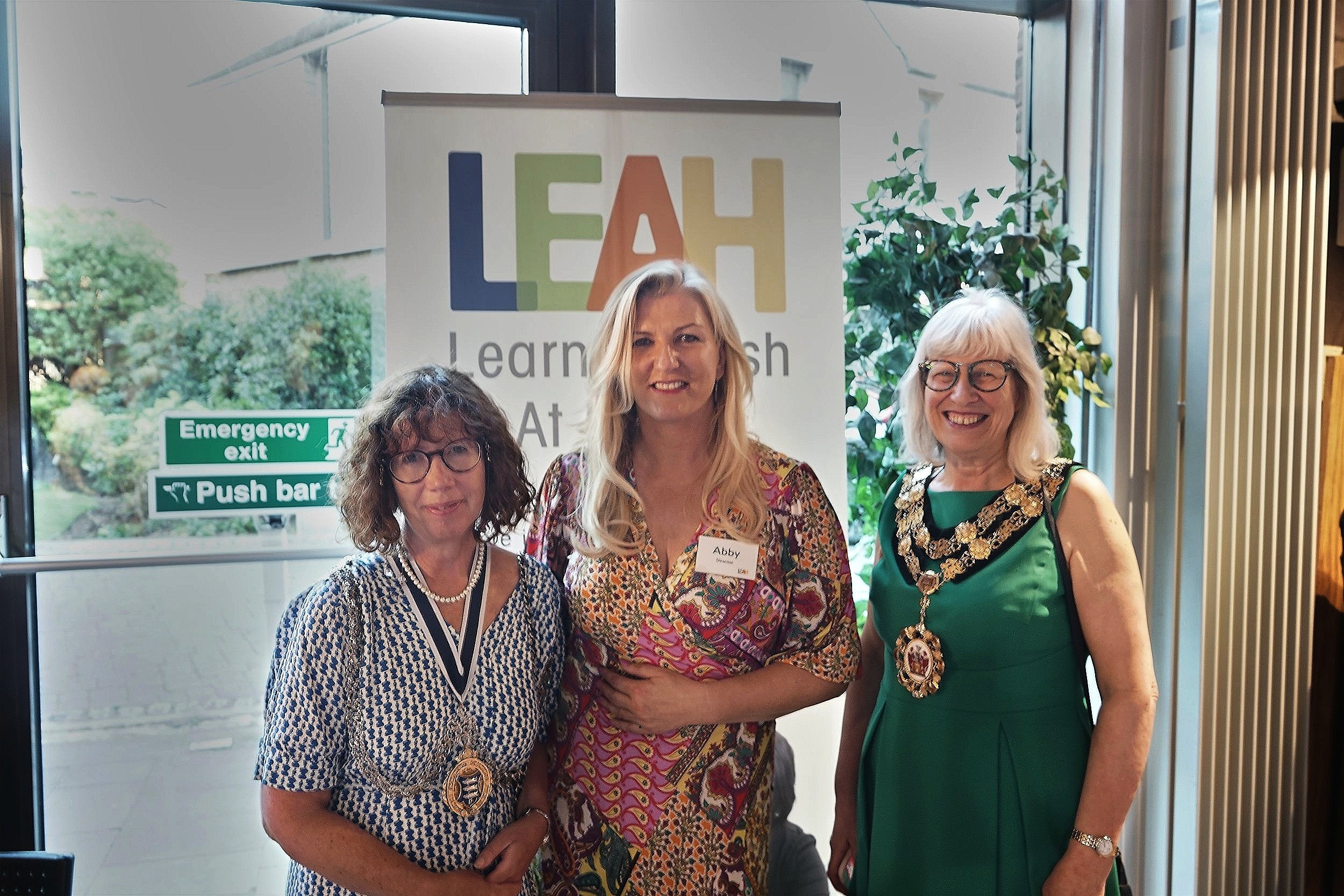
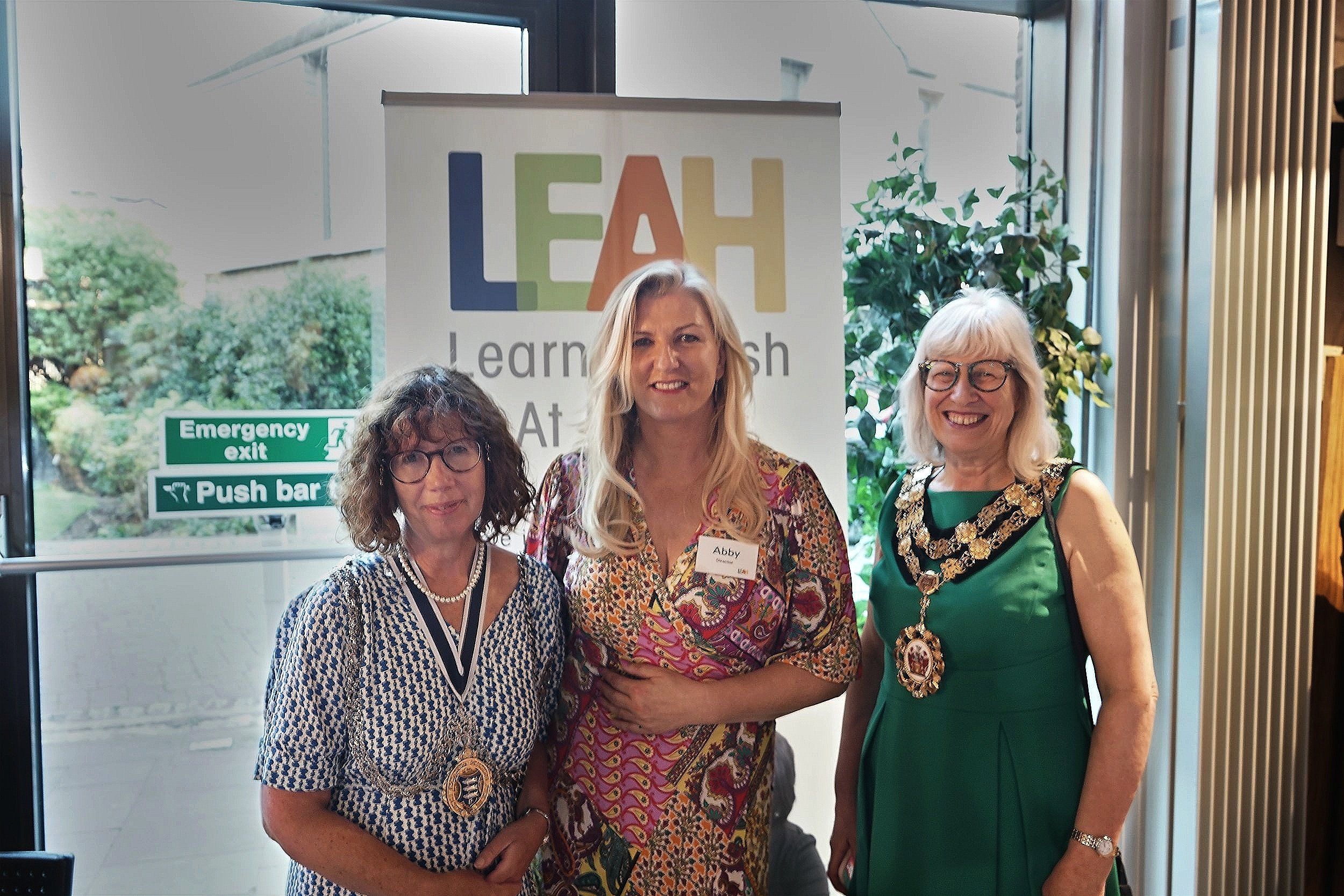
LEAH's 40th Anniversary Celebrations
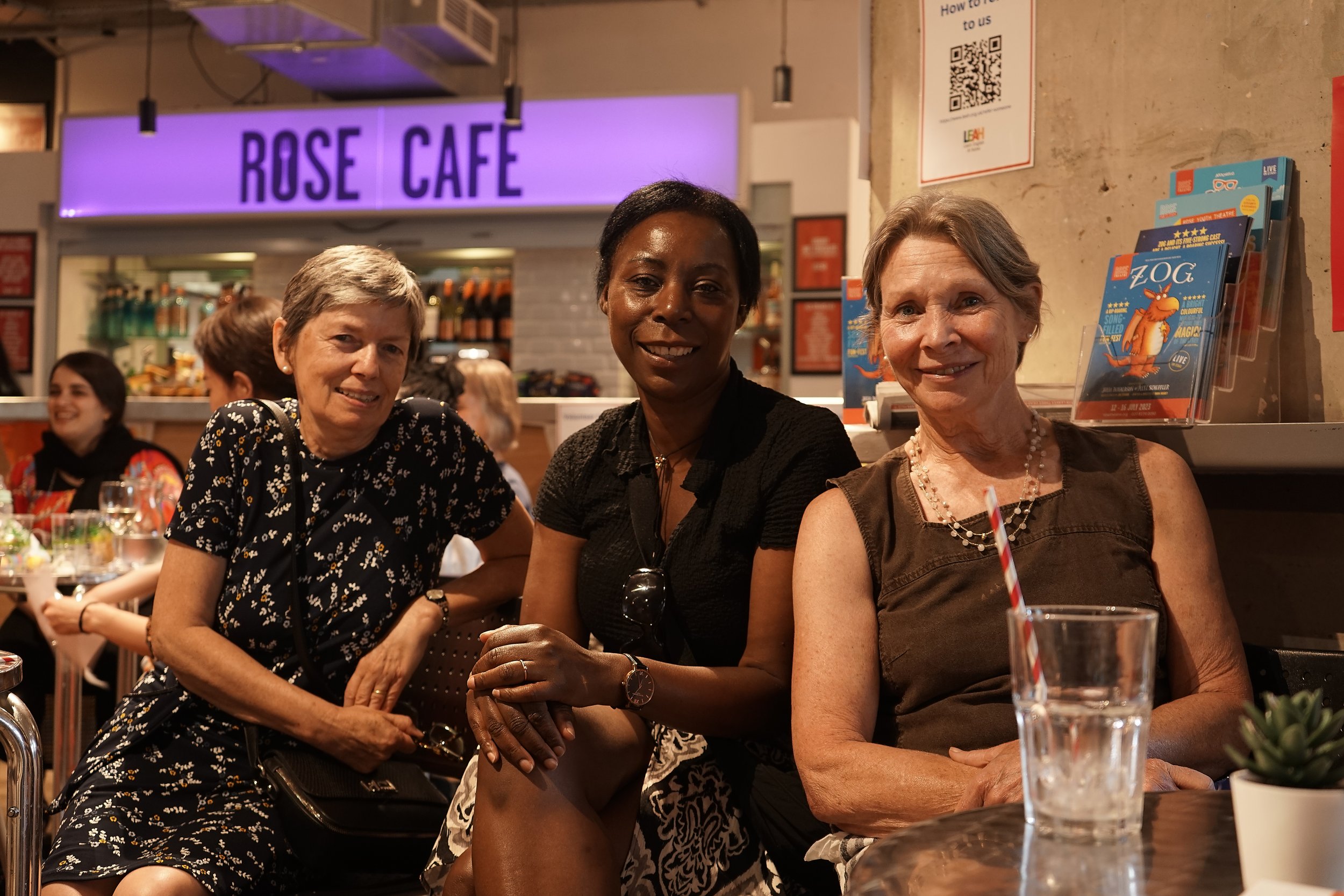
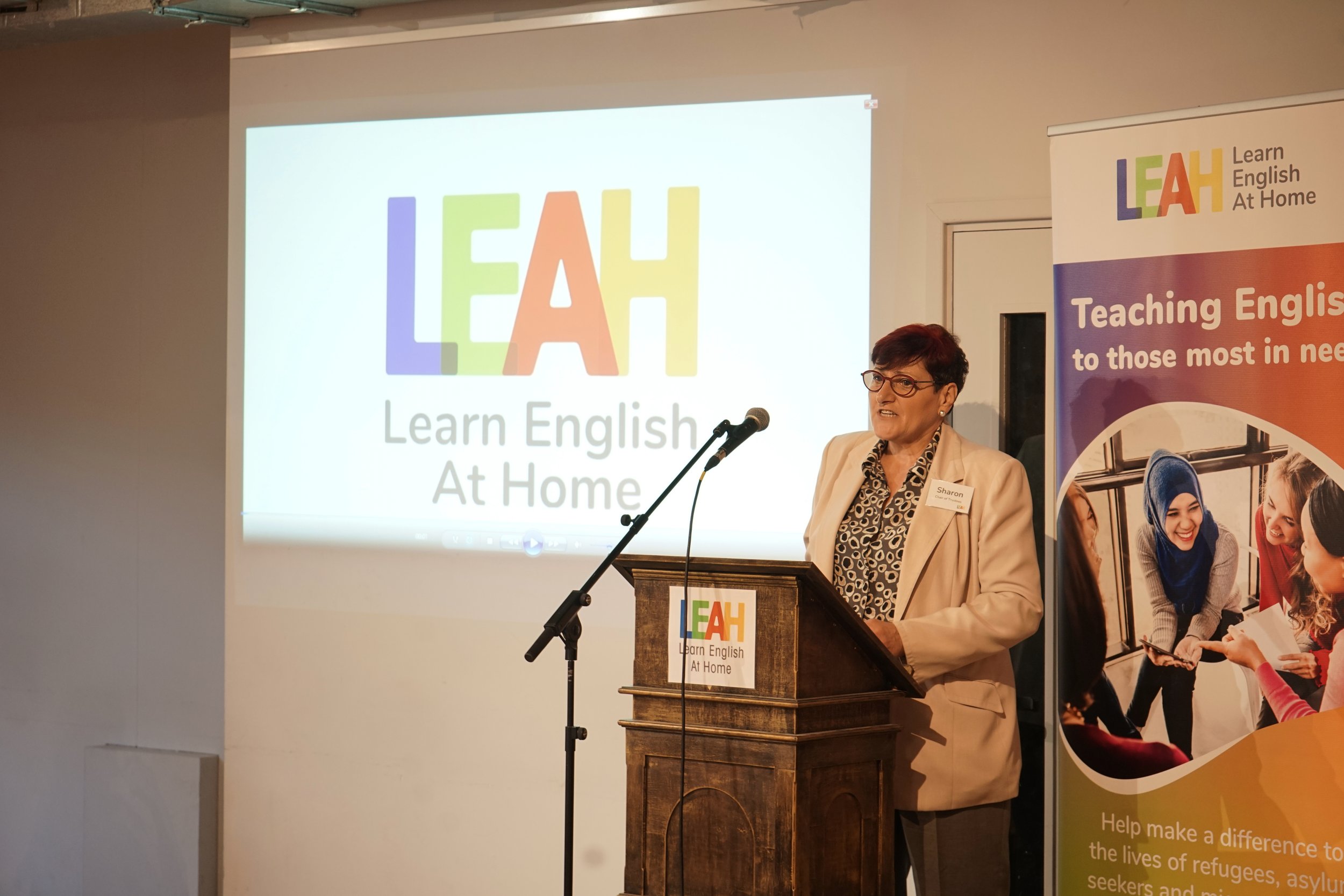
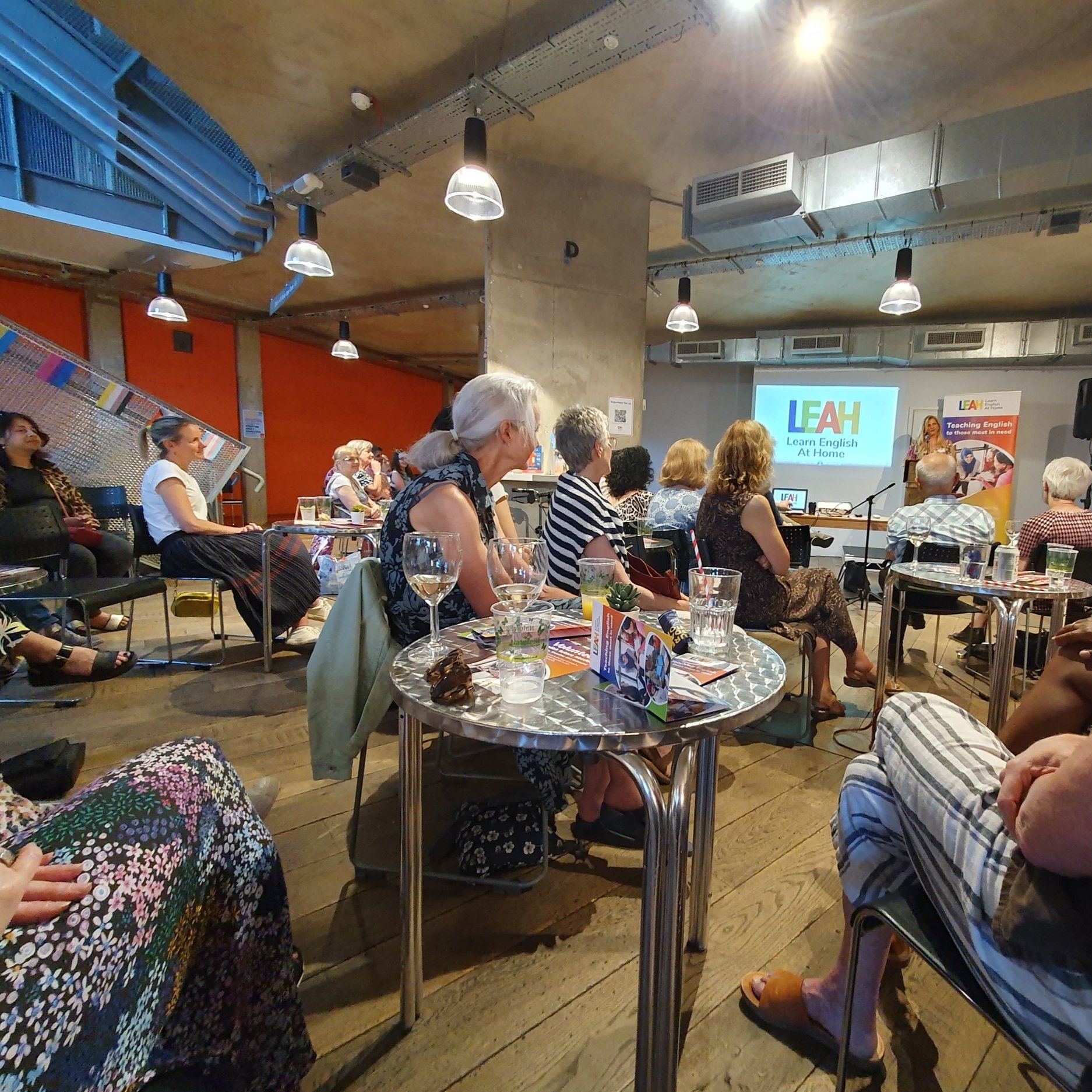
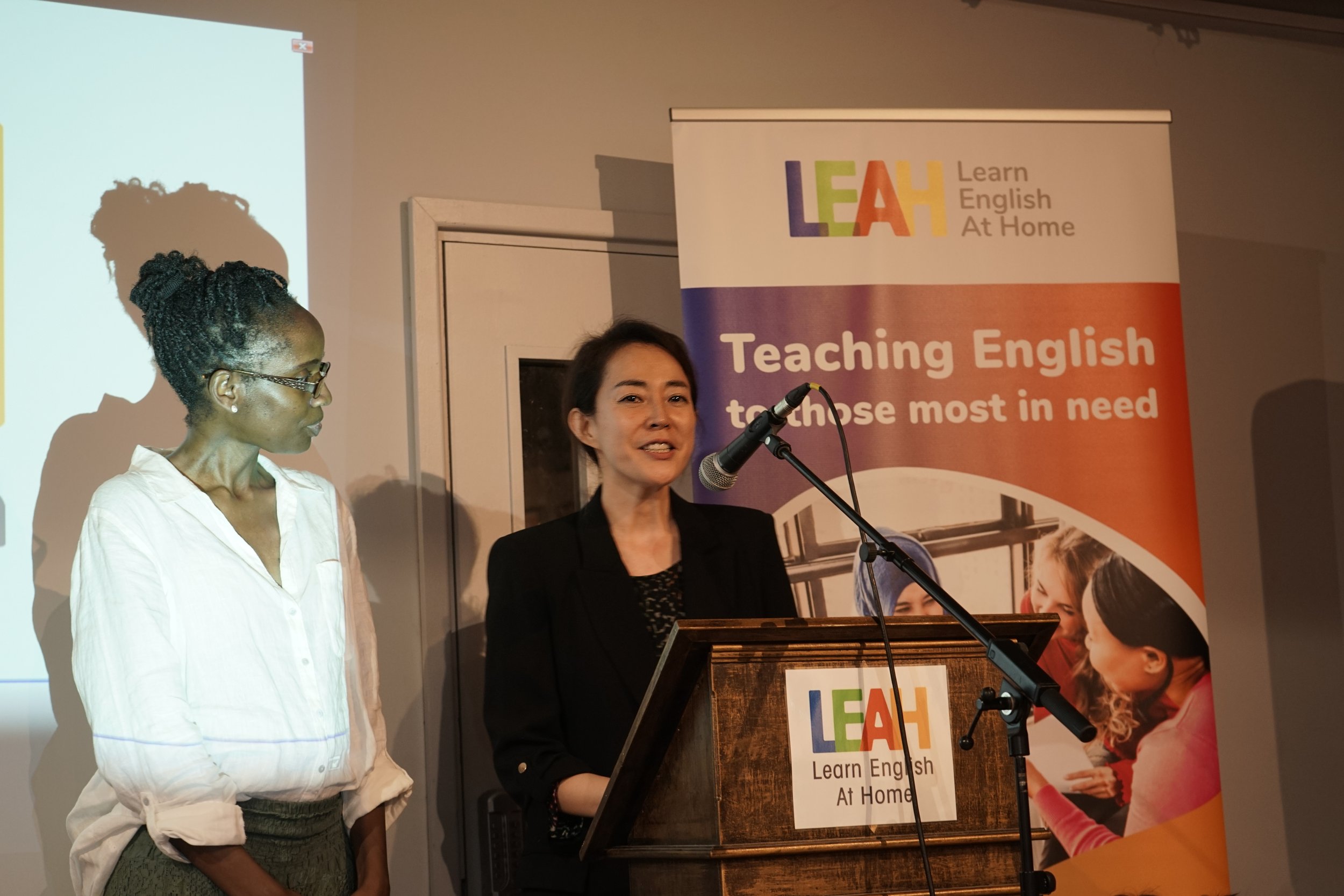
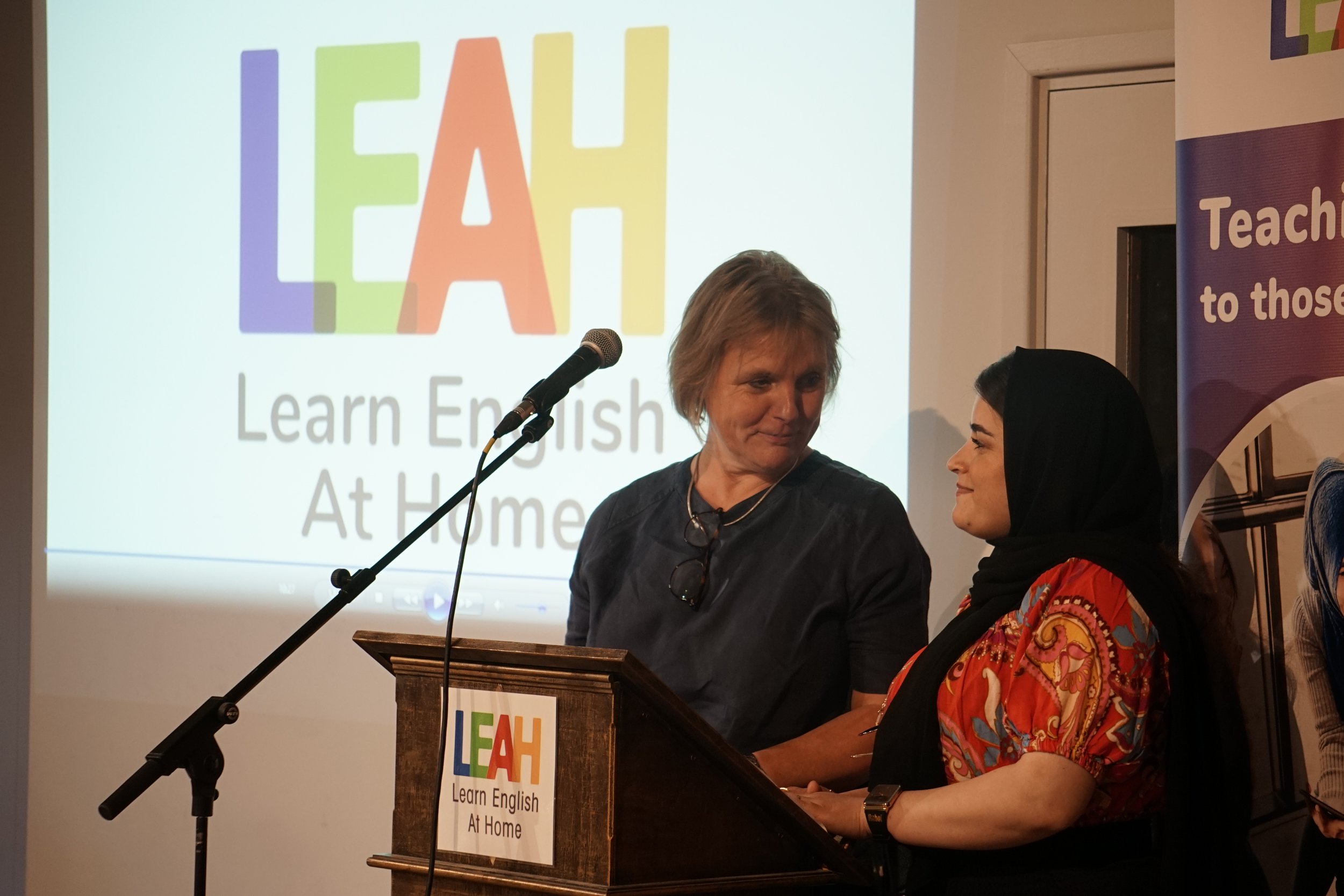
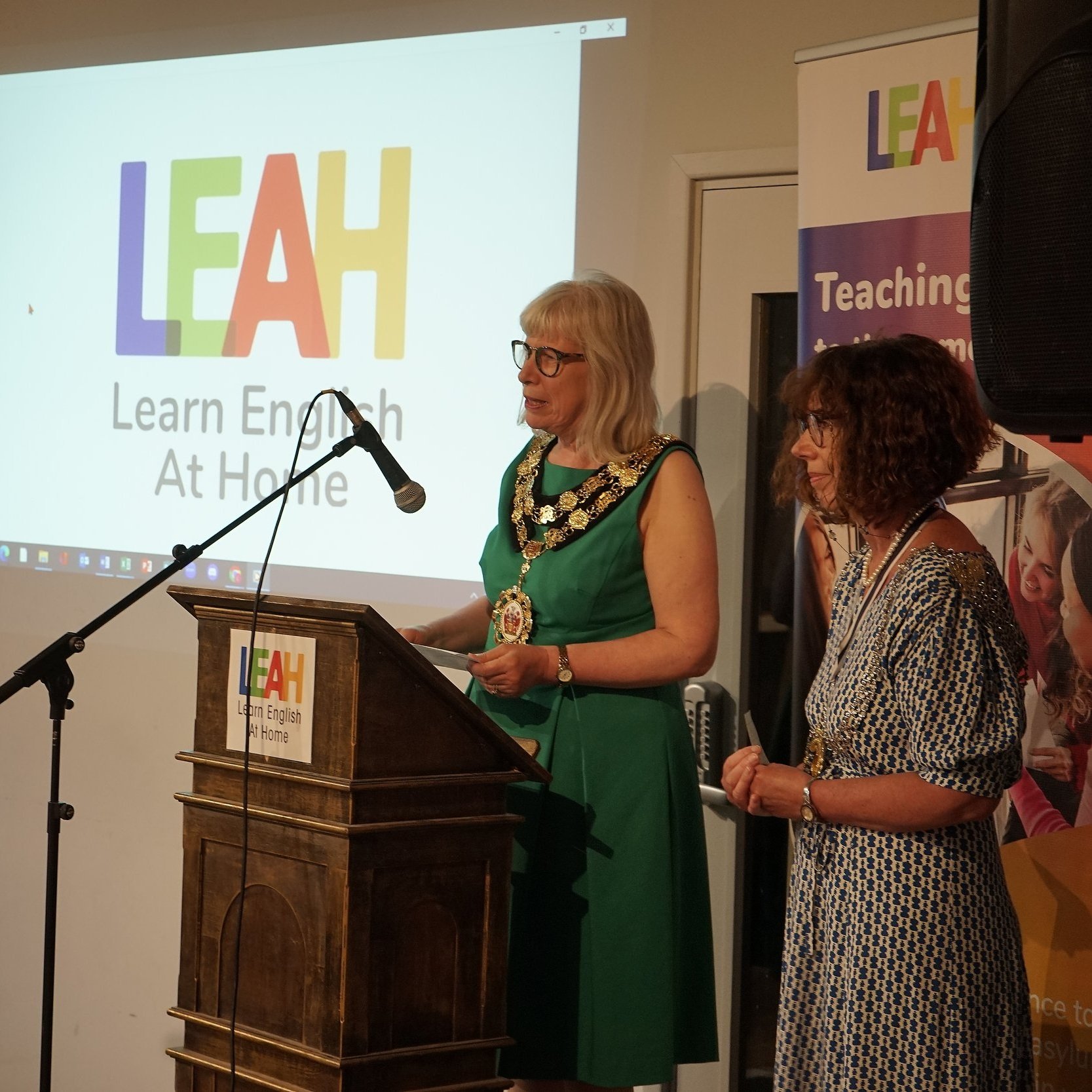
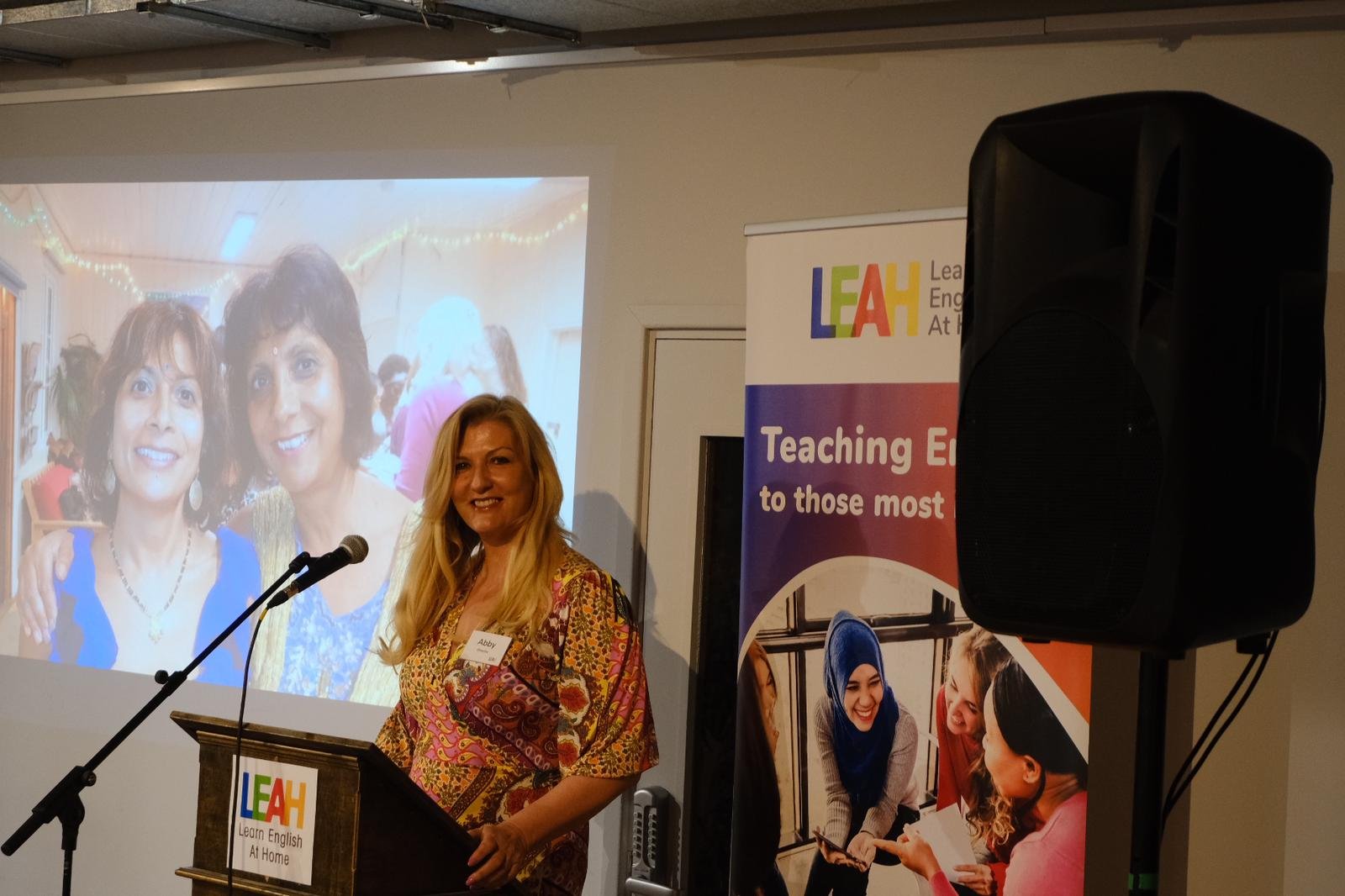
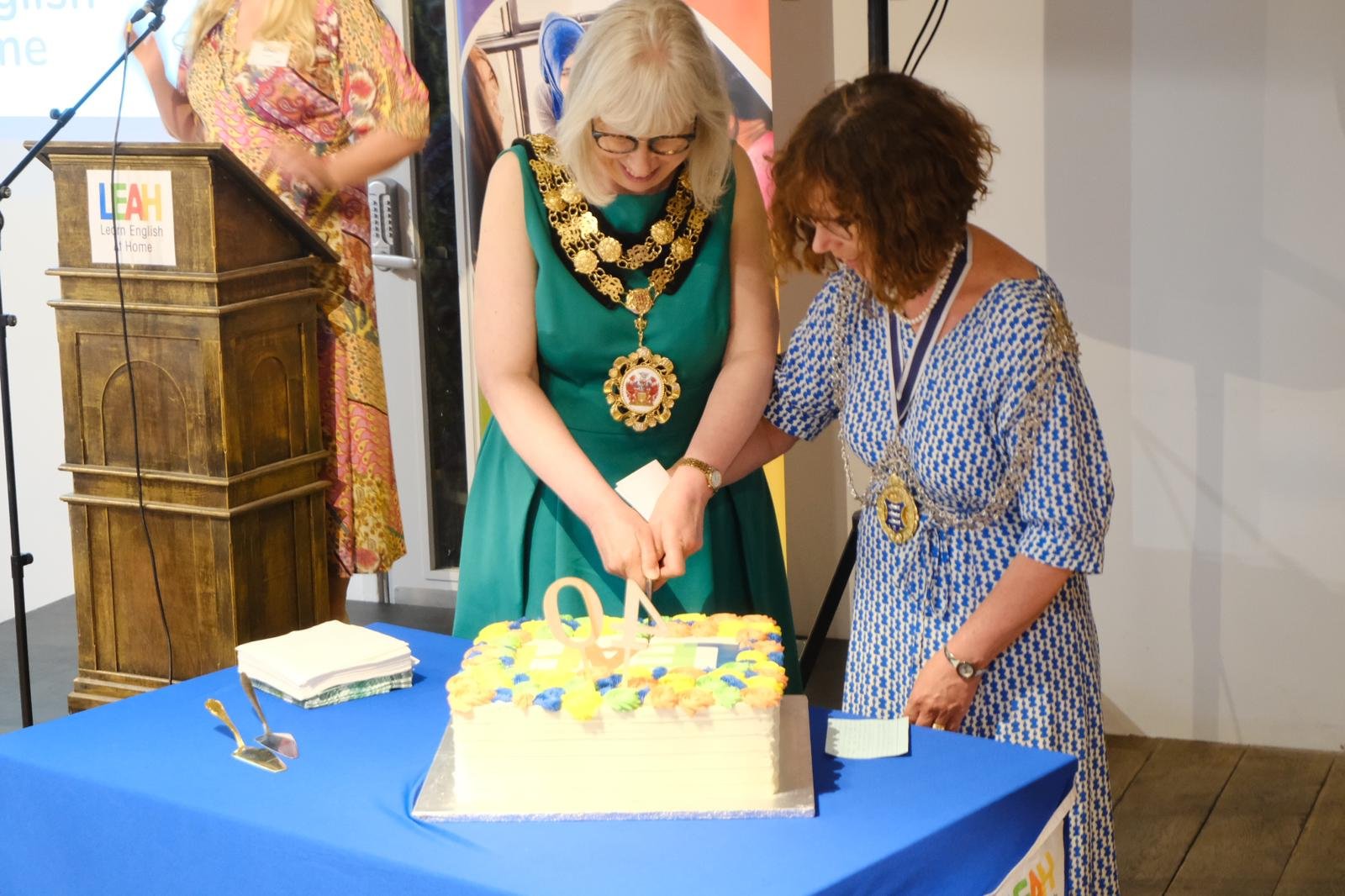
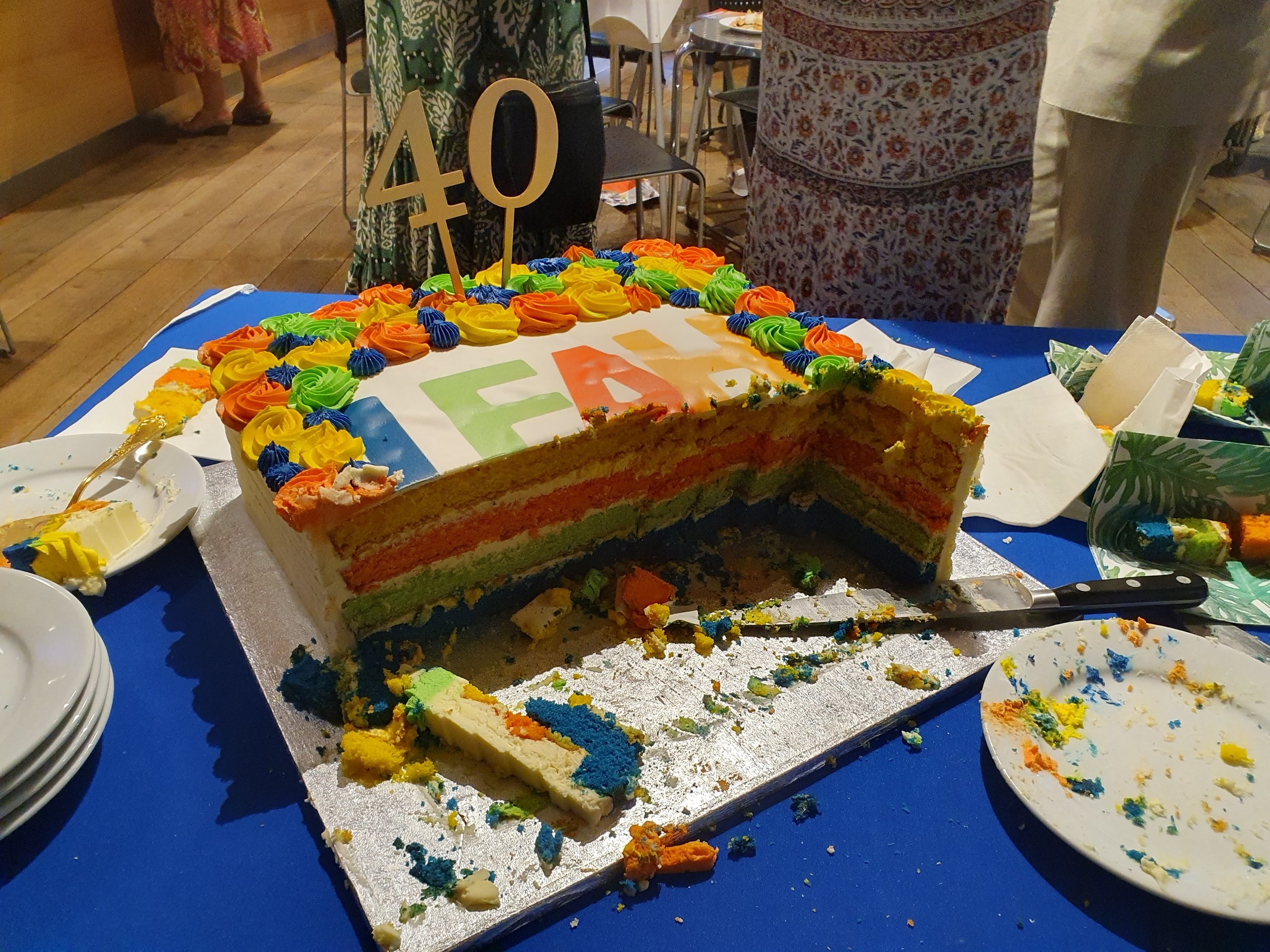
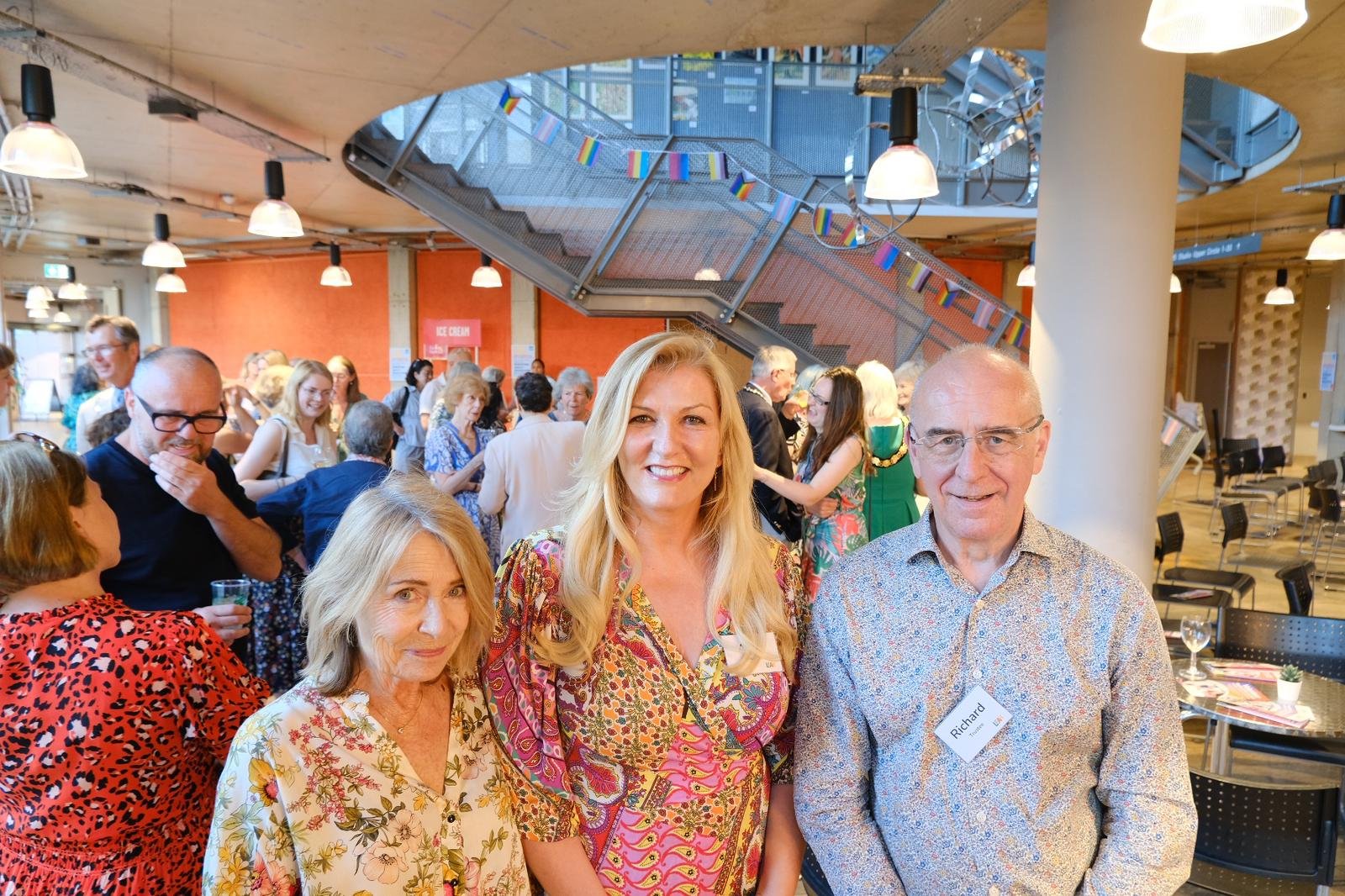
We celebrated our 40th anniversary with a special event at the Rose Theatre on 13th June 2023. We were joined by the Mayors of Kingston upon Thames and Richmond upon Thames as well as nearly 100 volunteers, funders, referrers, charity partners and supporters.
The Rt Hon Ed Davey, Liberal Democrat MP for Kingston & Surbiton, and Leader of the Liberal Democrats, sent a congratulatory message to LEAH and all our wonderful volunteers.
We are very grateful to all those who attended and look forward to another 40 years of providing English language support to those most in need.





Volunteer tutors wanted!
LEAH volunteer tutors come from very diverse backgrounds and people with English as their second language are positively encouraged to apply.
Through providing 1:1 lessons to learners or taking part in a community classes, you'll find your own horizons broaden. Inspired by the experiences they have had, many of our LEAH tutors have gone on to qualify as ESOL or EFL teachers. Others have grown in confidence, made new friends and taken great satisfaction from the very real difference they've made to someone else's life.
If you are over 18, available during the day and able to spare an hour a week during school hours, you could help teach English as a second language to someone who is isolated and lonely due to their poor language skills.
We welcome trained teachers and those with ESOL or EFL qualifications. However, no teaching experience or qualifications are required as comprehensive training is provided.
All we would need from you is that you:
-
have a good standard of written and spoken English
-
can commit for at least six months.
As a volunteer working with vulnerable adults, you will be required to have a DBS disclosure. This is organised by LEAH and there is no cost to the volunteer.
The volunteer tutor role description is here if you want to know a bit more of what is expected. If you would like to talk to someone about the role, you can call our office number (020 8255 6144) or email volunteercoordinator@leah.org.uk. Alternatively, you can apply online here and we will get in touch with you to discuss further.
You can find out how we keep your data safe by reading our Privacy Notice.
LEAH’s Theory of Change
Our team worked with WrkWll to review our Theory of Change and reflect on the impact we want achieve as an organisation. We were interested to look at what is causing the problems many people with limited English and barriers to accessing formal education face, our impact goal, the mechanisms by which we engage with LEAH learners and the short, medium and long term outcomes LEAH learners achieve.

Meet Mark
“My name is Mark and I am the Digital Inclusion Community Coordinator for LEAH.
I have a working background in digital & media, where I studied and worked in my native Ireland from 2012 – 2019. Since 2020, I have worked in refugee support on projects in education, resource access, and technical support in both the Middle-East and Europe.
My role at LEAH involves the development and expansion of digital spaces for use by learners, volunteers and staff - making sure these spaces are inclusive and functional. This work is part of our ‘Digital Transformation’ strategy goal across the next 3 years to ensure we utilise technology that meets the needs of the diverse population LEAH helps.
When developing these spaces, it is important they are designed to promote independence, self-actualisation and discourage unnecessary gatekeeping. We are currently introducing a direct learner-volunteer text messaging platform that supports safeguarding best practice as learners told us it was their preferred way to communicate. We are also creating a digital resources library for volunteers to allow them to easily access teaching, digital and professional development resources whenever they need to, which will improve the quality and efficiency of our service.”
LEAH secures CAF resilience funding
We’re delighted the Charities Aid Foundation have funded LEAH to become ‘future fit’. We have recruited a new Digital Inclusion Coordinator to help us deliver new hybrid ways of working, support LEAH learners to access equipment and LEAH services remotely, increase our online presence and train our team to build our digital capabilities. As part of the funding, LEAH was awarded a resilience grant to work with experts across finance, digital and diversity & inclusion which will help us become more resilient for the future and work to achieve our 5 strategic goals.
The CAF Resilience Fund, aims to help the people and causes hardest hit by Covid-19.
The funding for the CAF Resilience Fund was provided by the Department for Digital, Culture, Media and Sport (DCMS) Community Match Challenge funding scheme, part of the Government’s £750 million coronavirus support package for charities. The matched funding was provided by the Covid-19 Support Fund created by the insurance and long-term savings industry.
In late 2020 and early 2021, the first phase of the CAF Resilience Fund provided rapid relief to 645 charities in England to help them survive the initial shock of the pandemic and resulting lockdowns.
For this second phase, CAF identified organisations working with those communities hardest hit by the effects of the pandemic. These organisations include those helping people living with disabilities; Black, Asian and minority ethnic communities; and young people in need of new training and skills in order to give them the best possible life chances. This phase , totalling £20 million, is designed to help charities move beyond survival and help them adapt and rebuild so they are able to look to the future and thrive.
Yvonne Braun, Executive Lead for the Covid-19 Support Fund and Director of Policy, Long-Term Savings and Protection at the Association of British Insurers (ABI), said:
“Since the start of the pandemic, charities and communities throughout the UK have come together to support those most in need. We are thrilled that through the partnership between the Covid-19 Support Fund, CAF and the DCMS Community Match Challenge, that the insurance and long-term savings industry has been able to support the work of Learn English at Home so that they can continue their vital work.”
Monica Brown from the Charities Aid Foundation said:
“In delivering the CAF Resilience Fund, we have been both humbled and inspired by the work that is happening on the ground in our local communities. We are proud to partner with both the Government and the Covid-19 Support Fund to provide this unique support for some of our country’s most vulnerable communities. Congratulations to Learn English at Home and our sincere thanks for all that you are doing.”
Jenny Irish, Learn English at Home Director said:
“We are delighted to be awarded this key piece of grant funding to help us support our community as we rebuild from the pandemic. This funding is a vote of confidence in our work, our purpose and our determination to improve the lives of LEAH learners who have been disproportionately affected by the pandemic.”
LEAH launches 2022 - 2025 strategy
We’re excited to launch our strategy for the next 3 years! Developed across the last 6 months with feedback and input from learners, volunteers, funders, partners, staff and trustees we are looking forward to the change we can make to achieve our vision of inclusion through language. Our 5 overarching goals are Sustainability, Collaboration, Digital Transformation, Development and Equality & Inclusion.

Crisis in Ukraine: how to support people affected by the war
The LEAH community is deeply shocked and saddened by what we see happening in Ukraine. Our thoughts are with the Ukrainian people, families, and refugees who are in need of protection and support.
The experiences of war resonate with many LEAH learners and are incredibly difficult to process. For 40 years LEAH has been supporting refugees and asylum seekers to learn English in order to access vital services, including housing, education, healthcare and to help them find sustainable work. To achieve this the LEAH team works closely with local partners to ensure people have the information they need to access vital support services.
Millions of men, women, and children have been forced to flee Ukraine, leaving the lives they knew behind them. We are ready to welcome people fleeing conflict and to help them rebuild their lives from the trauma of the war. The LEAH community will be here for those who resettle in the UK and need our support in the coming months.
If you want to help people directly impacted by the war in Ukraine, as an organisation or individually, here are a few resources:
-
Financial donations: there are a several organisations which are actively providing medical and humanitarian aid to refugees: Disasters Emergency Committee , The Ukrainian Red Cross, Refugee Council, The UN Refugee Agency, the Help Ukraine Emergency Appeal from the Association of Ukrainians in Great Britain.
-
Donations of goods: in crisis like these, one of the best ways to help is by donating cash through trusted organisations and charities, as cash can be transferred quickly to areas where it is needed. However, if you would like to donate supplies and you live in the area of London, you can find a shared list of collecting points through London Plus.
-
Volunteer with us: join our team of dedicated and passionate volunteers. Find out more how you could help make a difference by teaching English.
Thank you for your support, take care of yourselves and each other.

LEAH case study in English Language (ESOL) for Resettlement guidance
We’re delighted to be showcased in the recent English Language (ESOL) for Resettlement guidance published by the Greater London Authority. The guidance aims to
-
Raise awareness of UK Resettlement Schemes and programmes with an ESOL element, and related requirements
-
Improve access to ESOL for resettled families through increasing understanding of mainstream ESOL funding and eligibility
-
Improve the availability of suitable ESOL for resettled communities, by improving awareness and take-up of the additional ESOL and ESOL childcare funding made available via Resettlement and Community Sponsorship Schemes
-
Encourage partnership working between Refugee Resettlement Coordinators, Community Sponsorship Groups, formal and informal ESOL providers and civil society organisations, to improve the experience of resettled communities and their progression in and from ESOL and
-
Share good practice and resources captured to date via the review of earlier resettlement schemes.